

Project Summary
Award-winning photographer Areg Balayan, in partnership with the Caucasus Research Resource Center (CRRC)-Armenia Foundation, is launching a pilot phase of a long-term visual anthropology initiative: a living “passport of Armenia”, a structured, human-centered archive documenting the country’s contemporary social reality through participatory photography and narrative ethnography.
The pilot focuses on three regional cities: Goris, Gyumri, and Vanadzor, with seven days of fieldwork in each. The project combines documentary portrait photography, personal narrative collection, observational field notes, and group documentation to build layered visual “blocks” representing each community.
CRRC-Armenia researchers will work closely with the artist by developing the methodological framework and ensuring a rigorous approach to visual anthropology and community-based research, analyses and scholarly archiving.
Community engagement is central: introductory photography workshops will be held at local art schools in each city, directly involving approximately 30–45 young participants. Outputs include a structured digital archive, editorial publication in Armenian and international media, and submission to documentary photography platforms worldwide.
Why is this project important?
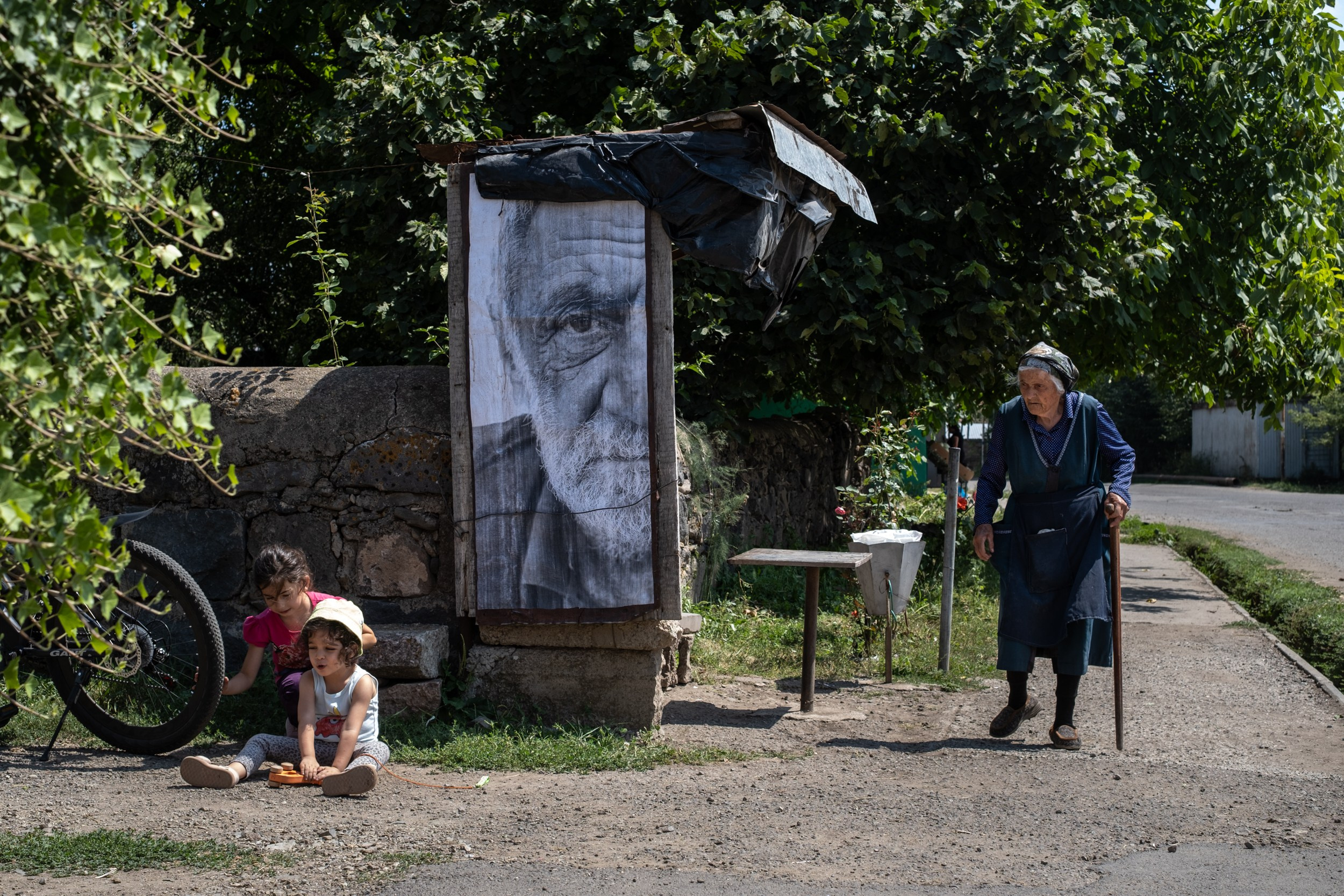
Armenia’s visual documentation landscape is dominated by event-driven coverage and externally produced representations, images shaped by crisis, conflict, or the diaspora gaze. Everyday life, regional identity, and the social fabric of cities outside Yerevan remain largely unarchived in any systematic, academic, or artistically rigorous way.
This gap has deepened since 2016. The cumulative weight of the Nagorno-Karabakh wars and the displacement of 2023 has profoundly destabilized collective identity and sense of continuity. Yet the documentary infrastructure to capture, preserve, and interpret that lived experience, particularly at the regional level, does not exist in any sustained form.
A further structural gap underlies this: the intersection of arts, culture, and research remains largely unexplored in Armenia. Data informs policy, but rarely art. Art shapes identity, but rarely draws on rigorous social inquiry. This disconnect weakens both fields, cultural work loses depth and credibility, while research loses the human resonance needed to reach broader audiences. Building bridges between these domains is foundational to the kind of data systems, educational programs, and cultural institutions that a healthy creative ecosystem requires.
Project outcomes
ЭThe project employs a structured visual ethnographic methodology co-developed by photographer Areg Balayan, producer Sona Margaryan, and CRRC-Armenia researchers. Fieldwork spans seven days in each of three cities, Goris, Gyumri, and Vanadzor, producing approximately 10 documented “blocks” per location.
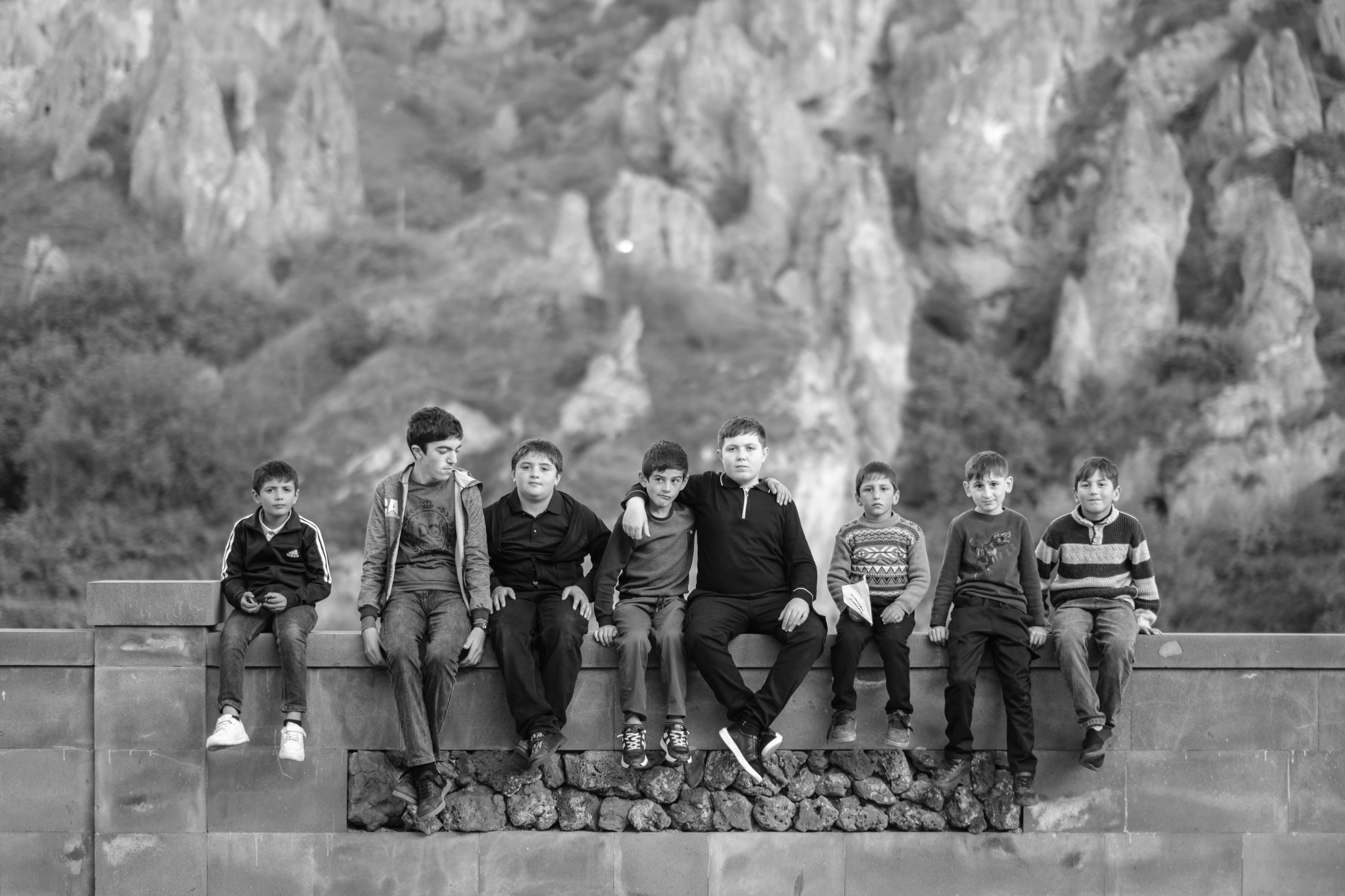
Each block consists of: a documentary portraits of a residents; a personal narrative in which the subject speaks about their city, a local figure, or a specific event; a group photograph capturing people present during the session; and observational field notes recording objects, gestures, and environmental details that convey the texture of daily life. Together, these elements form a layered, multi-voiced record of each community.
The methodology is deliberately systematic and scalable, designed so that future phases can replicate the same framework across other cities and villages nationwide, gradually building a comprehensive visual archive of contemporary Armenia.
In each city, an introductory photography workshop held in collaboration with local art schools will engage 10–15 young participants, building local capacity for self-documentation and visual storytelling.
Team
The project is implemented in partnership with the Caucasus Research Resource Center (CRRC)-Armenia Foundation, bringing a strong social science and research-based dimension to the photographic initiative.
CRRC-Armenia is an independent, research institution established in 2003, recognized for its contribution to social science research, high-quality data collection, and evidence-based analysis in Armenia and the wider South Caucasus. Its work covers a broad range of topics, including culture and identity, migration, social change, governance, and community development.
CRRC-Armenia will lead the research component, designing and conducting fieldwork to provide the project with a solid sociological and anthropological foundation. The research team will guide Areg throughout the fieldwork, helping identify relevant communities, individuals, and social contexts, while documenting the findings and developing the accompanying research narrative. This collaboration will ensure that the photographic stories are grounded in research, social context, and a deeper understanding of the people and communities portrayed.
Areg Balayan is an award-winning Armenian photographer known for his documentary and portrait work. His practice focuses on human-centered storytelling, capturing identity, memory, and social realities through long-term visual projects. His work has been exhibited and published internationally, and is recognized for its strong narrative depth and visual precision. In this project, he leads the artistic vision and carries out all field photography.
Sona Margaryan, producer, is an Armenian documentary producer, with over a decade of experience in international co-productions. She has collaborated with organizations such as PBS, CNN, and ARD, and has produced and developed award-winning films including Aurora’s Sunrise. She oversees project coordination, and dissemination strategy.
Lusin Atabekian, writer, editor, is a clinical psychologist and psychotherapist, currently coordinating a perinatal mental health program with Douleurs sans Frontières in Armenia. She bings experience in psychological assessment, narrative work. Within the project, she contributes to shaping interviews, guiding ethical engagement with participants, and developing the narrative texts accompanying the visual material.


